
Hair and Scalp Care: Maintaining Strength, Growth, and Cleanliness
Hair and Scalp Care: Maintaining Strength, Growth, and Cleanliness
Key takeaways
- Healthy hair begins with maintaining a balanced, clean scalp environment.
- Hair growth and strength are influenced by washing habits, product selection, and scalp care.
- Common problems such as irritation, oil imbalance, or hair thinning often start with scalp health issues.
- Choosing appropriate products and care routines for your hair type helps prevent long-term damage.
- Recognizing early signs of scalp imbalance allows you to address problems before they worsen.
Understanding the Relationship Between Hair and Scalp Health
Hair grows from follicles embedded in the scalp, making the scalp the biological foundation for hair growth. Each follicle produces a strand of hair using nutrients delivered through blood vessels beneath the skin.The scalp also produces sebum, a natural oil that protects both the skin and hair shaft. When balanced correctly, sebum helps maintain softness and prevents dryness. However, excessive oil production or inadequate cleansing can lead to buildup, irritation, or clogged follicles.
- A clean scalp free from buildup
- Balanced oil production
- Strong hair follicles supported by healthy skin
The Hair Growth Cycle
Hair growth occurs in repeating cycles rather than continuous growth. Each hair follicle passes through three main phases:
Anagen (Growth Phase)
This is the active growth stage. Hair can grow for several years during this phase, depending on genetics and overall health.Catagen (Transition Phase)
During this short stage, hair stops growing and detaches from its blood supply.Telogen (Resting Phase)
The hair rests before eventually shedding and being replaced by new growth.It is normal to lose 50–100 hairs per day as part of this cycle. Excessive shedding or thinning may indicate issues with scalp health, stress, nutrition, or hair care habits.
Building a Healthy Hair Care Routine
A consistent routine is one of the most important aspects of maintaining strong hair and a balanced scalp. Effective routines typically include cleansing, conditioning, and protective care.Regular Cleansing
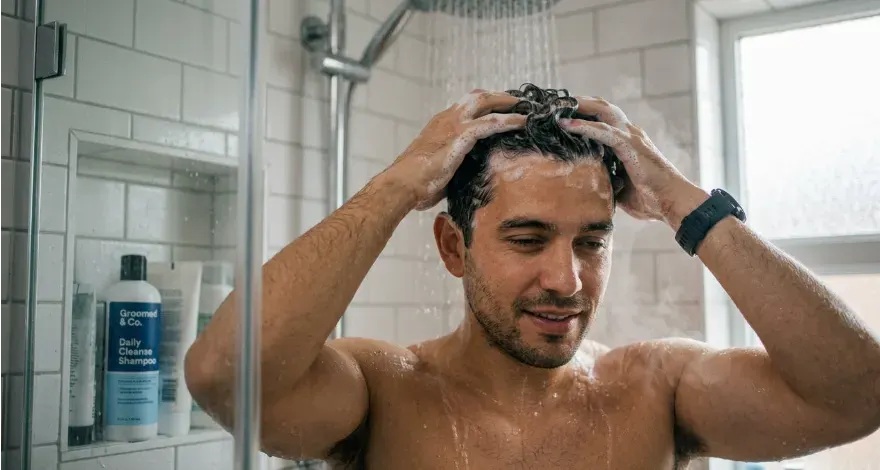
Washing removes excess oil, dirt, sweat, and product buildup. Without proper cleansing, follicles can become clogged, which may contribute to irritation or hair problems.For a deeper look at how washing habits affect scalp health, see How Often Should You Wash Your Hair?
Conditioning and Moisture Balance
Conditioners help smooth the hair cuticle and reduce friction between strands. This protects hair from breakage and improves manageability.Gentle Handling
Hair can be easily damaged when wet or when exposed to excessive heat. Protective practices include:- Using wide-tooth combs
- Limiting heat styling
- Avoiding tight hairstyles that strain follicles
- Patting hair dry instead of aggressive towel rubbing
Recognizing Signs of an Unhealthy Scalp
The scalp often provides early warnings when something is wrong. Ignoring these signals can allow minor issues to develop into more serious problems.- Persistent itching
- Redness or irritation
- Flaking or dandruff
- Excessive oiliness
- Dry, tight scalp skin
- Unusual hair shedding
A more detailed explanation of these warning signs and possible solutions is covered in Signs of an Unhealthy Scalp and How to Fix It.
Common Causes of Hair Thinning
Hair thinning is a common concern and can result from multiple factors affecting either the scalp, follicles, or hair shaft itself.- Genetics
- Hormonal changes
- Stress
- Poor scalp hygiene
- Nutritional deficiencies
- Certain medications
- Excessive styling damage
For a deeper explanation of why hair loss occurs and what influences it, read Common Causes of Hair Thinning and Hair Loss.
Choosing the Right Hair Care Products
Hair care products play an important role in maintaining scalp balance and protecting the hair shaft. However, using products that do not match your hair type can lead to buildup, dryness, or excessive oil production.Different hair types have different needs:
Fine Hair
- Lightweight volumizing shampoos
- Minimal heavy conditioners
Thick or Coarse Hair
- Rich moisturizing conditioners
- Hydrating oils or creams
Curly or Textured Hair
- Sulfate-free cleansers
- Deep conditioners
- Leave-in moisturizers
Oily Hair
- Clarifying shampoos
- Lightweight conditioners applied only to ends
For a full guide on selecting products suited to your hair type, see Choosing Hair Care Products for Your Hair Type.
Lifestyle Factors That Affect Hair Health
Hair care is not only about the products applied externally. Several lifestyle factors influence hair strength and scalp condition.Nutrition
Hair follicles require nutrients such as:- Protein
- Iron
- Zinc
- Biotin
- Vitamins A, C, and D
Stress
Chronic stress can disrupt the hair growth cycle and contribute to shedding.Sleep and Overall Health
Poor sleep, illness, and hormonal imbalances can also affect hair growth patterns. Maintaining overall health supports both scalp function and hair vitality.Preventing Hair Damage
Even healthy hair can become weakened through environmental exposure or harsh styling habits. Preventive care can protect hair strands and preserve long-term strength.- Limiting heat styling
- Using heat protectant products
- Avoiding frequent chemical treatments
- Protecting hair from excessive sun exposure
- Using gentle hair ties instead of tight elastics
Maintaining Long-Term Hair and Scalp Health
Healthy hair care is best approached as a long-term routine rather than a quick fix. Maintaining scalp cleanliness, choosing appropriate products, and responding early to signs of imbalance can help support consistent hair growth and strength.Explore More Hair Care Topics
If you want to learn more about specific aspects of hair and scalp health, the following guides expand on the key topics introduced in this article:- How Often Should You Wash Your Hair?
- Signs of an Unhealthy Scalp and How to Fix It
- Common Causes of Hair Thinning and Hair Loss
- Choosing Hair Care Products for Your Hair Type
Together, these topics provide a deeper understanding of how to maintain strong, clean, and healthy hair.