
Signs of an Unhealthy Scalp and How to Fix It
Signs of an Unhealthy Scalp and How to Fix It
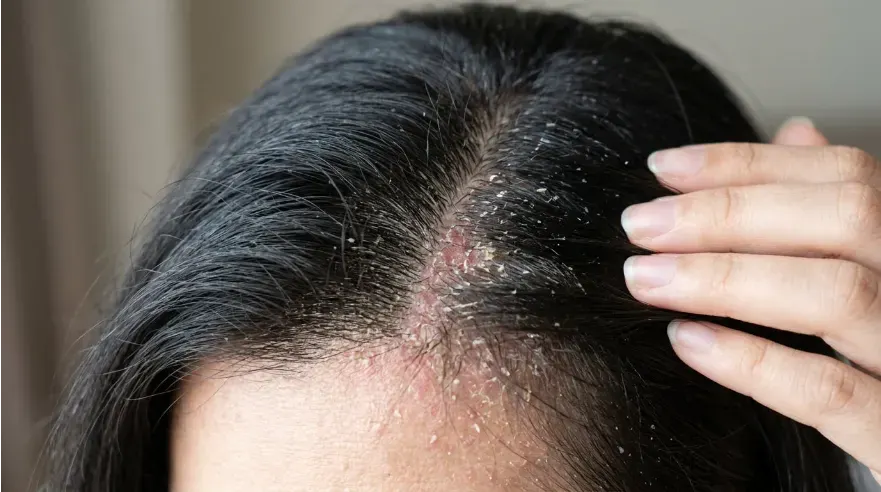
Key takeaways
- Common signs of an unhealthy scalp include itching, flaking, redness, excessive oiliness, and irritation.
- Scalp problems often result from buildup, imbalance in oil production, or underlying skin conditions.
- Proper cleansing, gentle products, and consistent scalp care can help restore balance.
- Ignoring persistent scalp symptoms may contribute to hair thinning or follicle damage.
- Addressing scalp issues early helps maintain healthier hair growth and overall scalp comfort.
Understanding these early signals can help you address scalp problems before they lead to more serious hair issues. Maintaining proper scalp care is also a core component of healthy hair routines, as explained in the foundational guide on Hair and Scalp Care: Maintaining Strength, Growth, and Cleanliness.
Why Scalp Health Matters
The scalp is specialized skin that supports the hair follicles responsible for hair growth. Each follicle produces hair while also interacting with oil glands and surrounding skin tissue.- Proper follicle function
- Balanced oil production
- Healthy skin turnover
- Reduced inflammation and irritation
Common Signs of an Unhealthy Scalp
Several symptoms can indicate that the scalp is experiencing imbalance or irritation. Recognizing these signs early makes it easier to restore scalp health.Persistent Itching
Frequent itching is one of the most common scalp complaints. Occasional itching is normal, but persistent itching may indicate irritation or buildup.- Dry scalp
- Product buildup
- Fungal overgrowth
- Allergic reactions to hair products
- Inflammatory skin conditions
Flaking or Dandruff
Visible flakes in the hair or on the shoulders are often associated with dandruff. These flakes are typically caused by increased skin cell turnover on the scalp.- Excess oil production
- Fungal imbalance on the scalp
- Sensitivity to certain hair products
- Dry scalp conditions
Redness or Inflammation
A healthy scalp usually appears neutral in color without visible irritation. Redness or inflamed areas can indicate that the scalp is reacting to irritation or infection.- Harsh shampoos
- Allergic reactions
- Skin conditions such as seborrheic dermatitis
- Frequent scratching or friction
Excessive Oiliness
Some people naturally produce more scalp oil than others, but excessive oil production may signal an imbalance.- Hair appearing greasy shortly after washing
- Heavy or flat hair
- Increased scalp odor
- Frequent need for washing
Dryness and Tightness
A dry scalp often feels tight or uncomfortable, especially after washing. This condition may be caused by:- Harsh shampoos
- Cold or dry climates
- Overwashing
- Lack of moisturizing scalp care
Increased Hair Shedding
Hair shedding is a normal part of the hair growth cycle. However, excessive shedding may indicate scalp stress or follicle disruption.- Inflammation
- Clogged follicles
- Poor scalp hygiene
- Certain skin conditions
Persistent hair loss may require medical evaluation to identify underlying causes.
For a deeper explanation of the factors behind hair thinning, see Common Causes of Hair Thinning and Hair Loss within this pillar.
Common Causes of Scalp Problems
Understanding what causes scalp issues can help prevent them from recurring.Product Buildup
Hair products such as styling gels, sprays, and oils can accumulate on the scalp over time. This buildup may clog follicles and irritate the skin. Using clarifying shampoos occasionally can help remove residue.Poor Washing Habits
Both excessive washing and infrequent washing can disrupt scalp balance. Infrequent washing allows oil and buildup to accumulate, while excessive washing may strip protective oils and irritate the scalp.Harsh Hair Products
Some shampoos contain strong cleansing agents that can dry or irritate the scalp. Products containing fragrances, alcohols, or harsh detergents may also trigger irritation in sensitive individuals.Skin Conditions
Certain dermatological conditions can affect scalp health. Examples include:- Seborrheic dermatitis
- Psoriasis
- Eczema
- Fungal infections
How to Restore Scalp Health
Improving scalp health often involves small adjustments to daily hair care routines.Maintain Proper Cleansing
Regular washing removes oil, sweat, and product buildup that can irritate the scalp. The ideal washing frequency varies depending on hair type and lifestyle.Use Scalp-Friendly Products
Products formulated for scalp health often contain ingredients that soothe irritation or control oil production.- Zinc-based dandruff treatments
- Tea tree oil products
- Salicylic acid scalp treatments
- Moisturizing scalp serums
Choosing products appropriate for your scalp type can significantly improve comfort.
Avoid Excessive Heat and Styling
Frequent heat styling and tight hairstyles can irritate the scalp and stress hair follicles.Support Overall Skin Health
Because the scalp is skin, general skin health habits also apply.- Staying hydrated
- Eating a balanced diet
- Managing stress
- Getting sufficient sleep
These factors contribute to healthier skin and hair follicles.
When to Seek Professional Advice
While many scalp issues can be managed with routine care, some symptoms require professional evaluation.- Severe itching or pain
- Persistent inflammation
- Sudden or excessive hair loss
- Thick crusting or patches on the scalp
- Symptoms that do not improve with routine care
Early evaluation can help identify underlying conditions and prevent long-term hair damage.
Maintaining a Healthy Scalp Long-Term
Consistent scalp care is essential for maintaining strong hair growth and preventing irritation. Simple habits such as gentle cleansing, choosing appropriate products, and monitoring scalp changes can help maintain a balanced scalp environment.Over time, maintaining healthy scalp habits supports stronger, healthier hair.
References
American Academy of Dermatology. Hair loss: Who gets and causes.
National Institutes of Health. Scalp disorders and dermatologic conditions.