
How to Track and Monitor Chronic Health Conditions
How to Track and Monitor Chronic Health Conditions
Key takeaways
- Monitoring chronic health conditions helps detect changes early and supports more effective treatment decisions.
- Tracking symptoms, vital signs, and daily habits can reveal patterns that influence health outcomes.
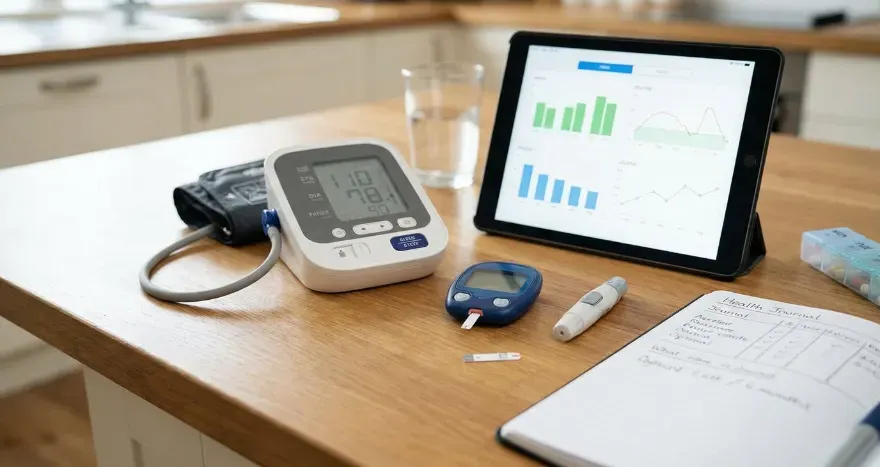
- Health journals, digital apps, and wearable devices can assist with consistent monitoring.
- Regular communication with healthcare providers ensures tracking data is used effectively.
- Consistent monitoring supports better long-term disease management and quality of life.
For a broader overview of managing long-term illness and maintaining quality of life, see Living With Chronic Conditions: Management, Adaptation, and Quality of Life.
Why Monitoring Chronic Conditions Is Important
Chronic diseases often change gradually over time. Without regular monitoring, small shifts in symptoms or health indicators may go unnoticed until they become more serious.- Detecting early warning signs of complications
- Evaluating how well treatments are working
- Identifying triggers that worsen symptoms
- Supporting more informed conversations with healthcare providers
Common Health Indicators to Track
The specific information that should be monitored depends on the condition being managed. However, many chronic illnesses involve tracking similar types of health indicators.Examples include:
Symptoms
Symptom tracking helps identify patterns that may be linked to activities, medications, diet, or environmental factors.- Pain levels
- Fatigue
- Shortness of breath
- Joint stiffness
- Digestive symptoms
- Sleep disturbances
Vital Signs
Some conditions require monitoring of basic physiological indicators.Common vital signs tracked include:
- Blood pressure
- Heart rate
- Body weight
- Temperature
- Oxygen saturation
Condition-Specific Metrics
Certain chronic conditions require more specialized monitoring.Examples include:
- Blood glucose levels for diabetes
- Peak flow measurements for asthma
- Kidney function tests for chronic kidney disease
- Cholesterol levels for cardiovascular disease
Using Health Journals and Logs
Many people use written health journals to record symptoms, medications, and daily habits.- Daily symptom ratings
- Medication schedules
- Exercise activity
- Meals or dietary changes
- Sleep patterns
- Stress levels
Digital Tools and Health Tracking Apps
Technology has made health tracking easier and more accessible. Many people now use digital tools to monitor their health information.- Mobile health apps for symptom tracking
- Medication reminder applications
- Smartwatches or wearable fitness trackers
- Digital blood pressure monitors
- Glucose monitoring systems
Recognizing Patterns and Triggers
Tracking health information over time often reveals patterns that influence symptoms.- Dietary changes
- Stress levels
- Physical activity patterns
- Sleep quality
- Environmental exposures
- Medication changes
Sharing Monitoring Data With Healthcare Providers
Tracking information becomes most valuable when it is shared with healthcare professionals. Providers can use this data to:- Evaluate treatment effectiveness
- Identify potential complications
- Adjust medications or care plans
- Provide personalized guidance
Making Monitoring a Sustainable Habit
Consistent monitoring works best when it becomes part of a manageable routine rather than an overwhelming task.Helpful strategies may include:
- Tracking only the most important indicators
- Setting reminders for regular measurements
- Using simple recording systems
- Reviewing data periodically rather than daily