
Personal Care Explained: Daily Habits That Support Health and Hygiene
Personal Care Explained: Daily Habits That Support Health and Hygiene
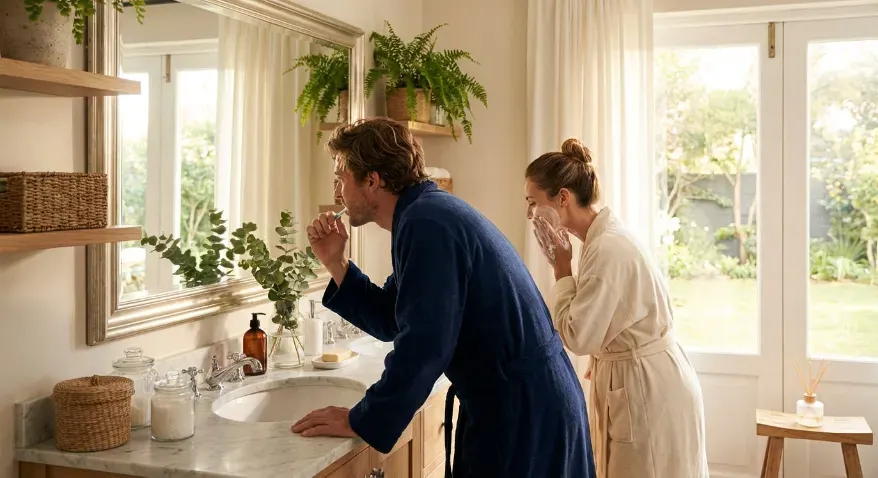
Key takeaways
- Personal care consists of daily habits that maintain hygiene, protect health, and support overall well-being.
- Core practices such as bathing, oral care, grooming, and hand hygiene reduce infection risk and support the body’s natural defenses.
- Consistent personal care routines play a major role in preventive health by reducing exposure to pathogens.
- Personal care also supports mental well-being by reinforcing routine, confidence, and self-respect.
- Understanding the foundations of personal care helps individuals build sustainable routines that support long-term health.
Understanding Personal Care as a Health Practice
Personal care refers to the actions individuals take to maintain their body, hygiene, and general health through daily routines. These behaviors often appear simple, but they serve important biological and social functions.- Removing harmful microbes from the skin and hands
- Maintaining the health of teeth and gums
- Preventing excessive buildup of oils and debris
- Supporting the skin’s protective barrier
- Promoting comfort and cleanliness
Why Daily Habits Matter for Long-Term Health
Health outcomes are strongly influenced by everyday behaviors. Many of the most effective preventive health measures are not medical treatments but simple routines performed consistently.Core Components of Personal Care
Personal care can be understood through several key areas that collectively maintain hygiene and well-being.Body Hygiene
Body hygiene involves keeping the skin clean and free from excessive sweat, dirt, and bacteria. Regular bathing or showering removes environmental contaminants and helps maintain the balance of natural oils on the skin.- Regular bathing or showering
- Cleaning areas prone to sweat accumulation
- Using deodorant or antiperspirant
- Wearing clean clothing
Oral Hygiene
Oral care is a critical element of personal health. The mouth contains a large number of bacteria, and without proper care these microbes can cause dental disease.- Brushing teeth twice daily
- Flossing regularly
- Using mouth rinse when appropriate
- Scheduling routine dental checkups
Hand Hygiene
Hands are one of the primary pathways through which germs spread. Throughout the day, hands touch numerous surfaces that may harbor bacteria and viruses.- Before eating or preparing food
- After using the restroom
- After coughing or sneezing
- After touching public surfaces
Grooming and Appearance
Grooming involves maintaining hair, nails, and general appearance. While grooming practices vary across cultures and personal preferences, they typically serve both hygienic and social functions.- Washing and styling hair
- Trimming nails
- Shaving or facial grooming
- Maintaining clean clothing
Personal Care and Preventive Health
Preventive health focuses on reducing the risk of disease before it occurs. Many preventive strategies involve lifestyle habits, and personal care routines play a major role in this process.- Skin infections
- Dental disease
- Gastrointestinal infections
- Respiratory illness transmission
- Fungal infections of the feet and nails
The Psychological Benefits of Personal Care
Personal care is often discussed in terms of physical health, but it also has important psychological benefits.Personal Care Across Different Life Stages
Personal care routines change throughout the lifespan. Different stages of life bring unique needs and challenges.Children and Early Development
Children learn personal care habits gradually through guidance from caregivers and education. Early routines—such as brushing teeth or washing hands—form the foundation for lifelong hygiene practices.Adolescence
During adolescence, hormonal changes increase sweat production and oil secretion. As a result, hygiene routines often expand to include deodorant use, skincare routines, and more consistent grooming practices.Adulthood
Adults typically develop established personal care routines that align with their lifestyle, work schedules, and personal preferences.Older Adulthood
As people age, physical changes or mobility limitations may require adjustments to personal care routines. Some individuals may benefit from assistive devices or support with certain hygiene tasks.Common Barriers to Maintaining Personal Care
Despite its importance, maintaining consistent personal care routines can sometimes be challenging.- Busy or unpredictable schedules
- Limited access to hygiene resources
- Physical disabilities or illness
- Mental health challenges
- Lack of education about hygiene practices
Building Sustainable Personal Care Habits
Effective personal care routines do not need to be complicated. In fact, the most sustainable habits are usually simple and consistent.- Morning and evening hygiene practices
- Regular bathing or showering
- Consistent oral care
- Clean clothing and grooming habits
- Routine handwashing throughout the day
Personal Care as the Foundation of Everyday Wellness
Personal care serves as the foundation for maintaining hygiene, preventing illness, and supporting daily well-being. While many of these habits are simple, their long-term impact is significant.Foundational Topics in Personal Care
The following topics explore key aspects of personal care in greater depth:- What Personal Hygiene Really Means for Overall Health
- How to Build a Simple Daily Personal Care Routine
- Why Personal Care Is Essential for Preventive Health
- The Connection Between Personal Care and Well-Being