
IBS and Digestive Disorders: Symptoms and Triggers
IBS and Digestive Disorders: Symptoms and Triggers
Key takeaways
- Irritable bowel syndrome (IBS) is a common functional digestive disorder affecting the large intestine.
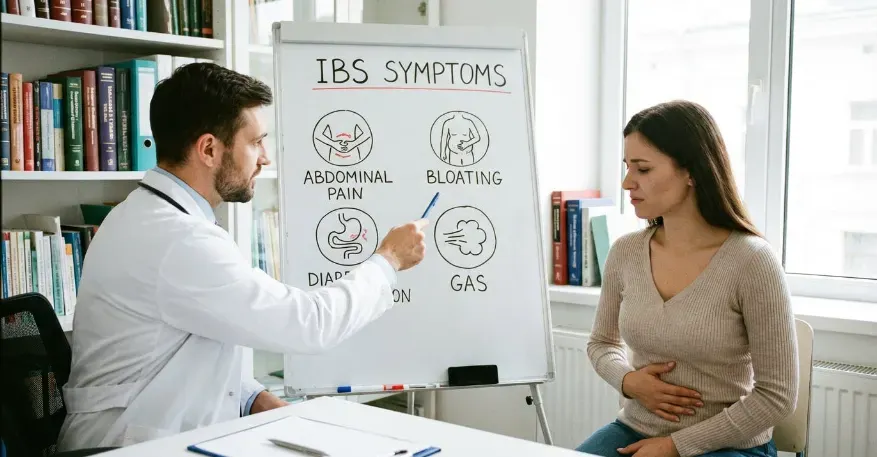
- Symptoms often include abdominal pain, bloating, gas, and changes in bowel habits such as diarrhea or constipation.
- IBS symptoms are often triggered by factors like diet, stress, gut–brain signaling, and digestive sensitivity.
- There are several subtypes of IBS based on bowel pattern, including IBS-D, IBS-C, and IBS-M.
- Identifying personal triggers and working with healthcare professionals can help people manage IBS symptoms more effectively.
Digestive problems are among the most common health complaints, and one of the most frequently diagnosed conditions is irritable bowel syndrome (IBS). IBS affects the large intestine and can cause a range of uncomfortable symptoms including abdominal pain, bloating, gas, diarrhea, and constipation.
Unlike structural digestive diseases, IBS is considered a functional gastrointestinal disorder, meaning the digestive tract appears normal but does not function properly. Symptoms can vary widely from person to person and often fluctuate over time.
IBS also reflects the complex relationship between digestion, the nervous system, and immune signaling. If you want a broader look at how digestive health influences immune function throughout the body, see Digestive and Immune Disorders: How Gut Health Affects the Whole Body.
What Is Irritable Bowel Syndrome?
Irritable bowel syndrome is a chronic condition that affects how the intestines function. It does not cause structural damage to the digestive tract, but it can significantly impact daily comfort and quality of life.People with IBS often experience:
- abdominal pain or cramping
- bloating or excess gas
- diarrhea, constipation, or alternating bowel patterns
- changes in stool appearance or frequency
Although IBS can be uncomfortable and disruptive, it is generally considered a non-life-threatening condition and does not increase the risk of colorectal cancer.
Types of IBS
IBS is usually categorized based on the dominant bowel pattern a person experiences.IBS-D (Diarrhea-Predominant)
IBS-D involves frequent loose stools and urgent bowel movements. People with this subtype may experience sudden digestive discomfort, especially after meals.IBS-C (Constipation-Predominant)
IBS-C involves infrequent bowel movements, hard stools, and difficulty passing stool. Abdominal discomfort and bloating are also common.IBS-M (Mixed Type)
IBS-M involves alternating episodes of diarrhea and constipation. Understanding the subtype can help guide management strategies and treatment options.Common Symptoms of IBS
Symptoms of IBS often vary in severity and may change over time.Some of the most frequently reported symptoms include:
Abdominal Pain or Cramping
Pain is often relieved after a bowel movement. The discomfort may come and go and can vary in intensity.Bloating and Gas
Many people with IBS report feeling abdominal fullness or visible swelling in the abdomen.Changes in Bowel Habits
IBS may cause diarrhea, constipation, or alternating patterns of both.Mucus in Stool
Some individuals with IBS notice mucus in their stool, which can occur when intestinal lining cells produce excess mucus.What Triggers IBS Symptoms?
IBS symptoms often appear when certain triggers affect digestive function. These triggers vary widely between individuals.Diet and Food Sensitivities
Certain foods may worsen IBS symptoms in some people. Common triggers can include:- high-fat meals
- caffeine
- alcohol
- spicy foods
- fermentable carbohydrates (sometimes called FODMAPs)
Stress and the Gut–Brain Axis
The digestive system communicates closely with the brain through the gut–brain axis. Stress or anxiety can affect intestinal movement, sensitivity, and muscle contractions in the gut.
Changes in Gut Microbiota
Research suggests that alterations in gut bacteria may influence IBS symptoms in some individuals. These changes can affect digestion, gas production, and immune signaling in the gut.Post-Infectious IBS
Some people develop IBS symptoms after recovering from a gastrointestinal infection. This is known as post-infectious IBS and may involve lingering inflammation or changes in gut microbes.
IBS vs. Other Digestive Disorders
IBS can share symptoms with other digestive conditions, which is why doctors often evaluate patients carefully before confirming the diagnosis.Some conditions with overlapping symptoms include:
- inflammatory bowel disease (IBD)
- celiac disease
- food intolerances
- small intestinal bacterial overgrowth (SIBO)
How IBS Is Diagnosed
Doctors typically diagnose IBS using a combination of symptom history and diagnostic criteria.One commonly used set of guidelines is the Rome IV criteria, which define IBS based on recurring abdominal pain associated with changes in bowel habits.
- blood tests
- stool tests
- imaging studies
- colonoscopy in certain cases
Managing IBS Symptoms
Although IBS does not have a universal cure, many people successfully manage symptoms through a combination of strategies.Dietary Adjustments
Some individuals benefit from adjusting fiber intake or following structured dietary approaches such as the low-FODMAP diet under professional guidance.