
Early Warning Signs Your Body Is Out of Balance
Early Warning Signs Your Body Is Out of Balance
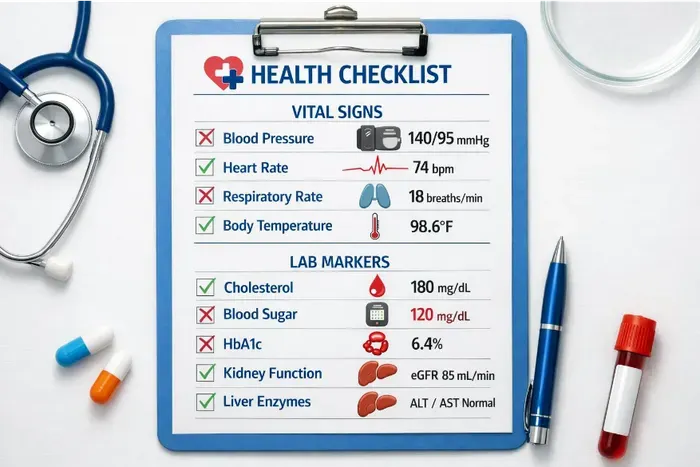
Key takeaways
- Chronic disease often begins with subtle physiological changes before clear symptoms appear.
- Persistent fatigue, sleep disruption, and unexplained weight changes can signal underlying imbalance.
- Shifts in blood pressure, blood sugar, or cholesterol may occur long before diagnosis.
- Early screening and lab monitoring can identify “pre-disease” states.
- Addressing small warning signs early offers the greatest opportunity for prevention.
To understand how small imbalances can progress into diagnosable conditions, it helps to first review the broader disease framework outlined in Health Conditions Explained: How Diseases Develop and Affect the Body. The earlier you recognize imbalance, the more opportunity you have to intervene.
What Does “Out of Balance” Mean?
The body is constantly regulating:- Blood sugar
- Blood pressure
- Hormones
- Immune responses
- Inflammation
- Fluid and electrolyte levels
Being “out of balance” does not automatically mean disease. It often means regulatory systems are compensating under stress.
General Early Warning Signs
Some symptoms are nonspecific but persistent. These deserve attention when ongoing or worsening.Persistent Fatigue
Occasional tiredness is normal. Ongoing fatigue that does not improve with adequate sleep may reflect:- Blood sugar dysregulation
- Thyroid dysfunction
- Chronic inflammation
- Sleep disorders
- Chronic stress overload
Unexplained Weight Changes
Gradual weight gain or loss without clear lifestyle changes may suggest:- Hormonal shifts
- Insulin resistance
- Thyroid imbalance
- Fluid retention
- Chronic inflammatory activity
Sleep Disruption
Difficulty falling asleep, staying asleep, or waking unrefreshed can signal:- Stress hormone imbalance
- Blood sugar instability
- Mood disorders
- Emerging metabolic strain
Metabolic Warning Signs
Before diabetes or cardiovascular disease is diagnosed, subtle metabolic shifts often occur.Increased Abdominal Fat
Central fat accumulation is associated with:- Insulin resistance
- Higher inflammatory signaling
- Increased cardiovascular risk
Elevated Blood Pressure
Mildly elevated readings—especially if persistent—can signal vascular strain. Hypertension typically develops gradually over years.Changes in Blood Sugar
Signs may include:- Increased thirst
- Frequent urination
- Cravings for carbohydrates
- Afternoon energy crashes
Inflammatory and Immune Signals
Subtle immune dysregulation may present as:- Recurrent infections
- Prolonged recovery from illness
- Unexplained joint stiffness
- Chronic low-grade pain
- Skin flare-ups
Cardiovascular and Circulatory Clues
Pay attention to:- Shortness of breath with minimal exertion
- New exercise intolerance
- Palpitations
- Swelling in the lower extremities
- Chest discomfort (even if mild or intermittent)
Cognitive and Mood Changes
The brain is sensitive to metabolic and inflammatory shifts. Early signs of imbalance may include:- Brain fog
- Reduced concentration
- Irritability
- Increased anxiety
- Low mood
Digestive Changes
The gut plays a central role in immune regulation and metabolism. Warning signs may include:- Persistent bloating
- Irregular bowel habits
- Reflux
- Food intolerances
- Abdominal discomfort
Laboratory “Pre-Disease” Markers
Many imbalances appear first in routine labs rather than symptoms. Examples include:- Fasting glucose in the prediabetic range
- Hemoglobin A1c elevation
- Borderline high LDL cholesterol
- Elevated triglycerides
- Mildly elevated liver enzymes
- Elevated C-reactive protein (CRP)
- Slightly abnormal thyroid markers
When Is It Urgent?
Seek immediate medical care for:- Chest pain or pressure
- Sudden weakness or numbness
- Difficulty speaking
- Severe shortness of breath
- Sudden severe headache
- Fainting
Why Early Detection Matters
Most chronic diseases follow a progression:- Subtle physiological stress
- Measurable biomarker changes
- Functional decline
- Diagnosable disease
Early awareness allows for:
- Lifestyle modification
- Targeted screening
- Medication when appropriate
- Risk factor monitoring
- Prevention of complications
A Practical Approach
If you notice persistent changes:- Track symptoms over time.
- Schedule routine screening labs.
- Review family history.
- Evaluate sleep, stress, nutrition, and activity patterns.
- Consult a healthcare professional when patterns persist.
The goal is not anxiety—it is informed awareness.
The Big Picture
Your body rarely shifts from perfect health to chronic disease overnight. It sends signals along the way.Balance is dynamic. Paying attention early makes it easier to restore.