
Why Daily Habits Matter More Than Motivation
Why Daily Habits Matter More Than Motivation
Key takeaways
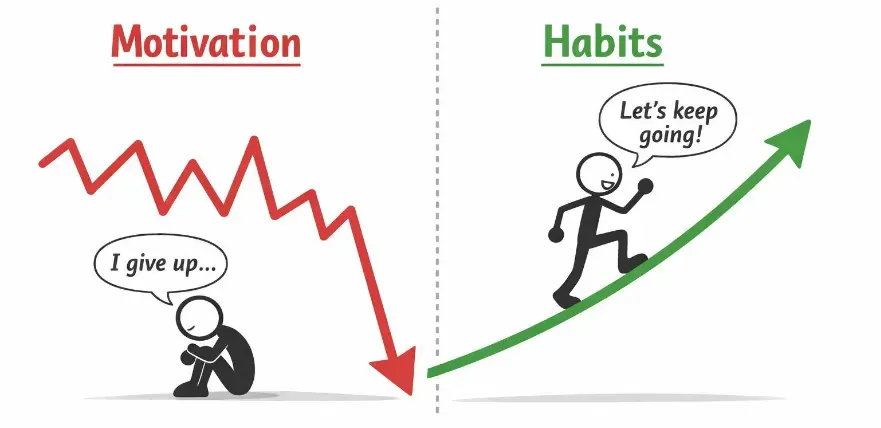
- Motivation is temporary, but habits create consistent behaviors that shape long-term health.
- Small daily routines accumulate over time and often have greater impact than short bursts of intense effort.
- Habits reduce decision fatigue by making healthy choices automatic.
- Building sustainable systems is more effective than relying on willpower alone.
- Consistency, not perfection, is the key driver of lasting health improvements.
In reality, long-term health improvements rarely come from short periods of intense motivation. Instead, they emerge from small behaviors repeated consistently over time. Habits shape routines, influence decisions automatically, and gradually build the foundation for sustainable health.
As explained in Lifestyle & Wellness Explained: How Daily Habits Shape Long-Term Health, wellness is largely determined by the patterns we repeat every day rather than occasional bursts of effort.
Motivation vs. Habits: Understanding the Difference
Motivation and habits both influence behavior, but they operate in very different ways.Motivation is a psychological state that drives action. It can be sparked by inspiration, goals, or external events. However, motivation naturally fluctuates due to stress, fatigue, mood changes, and competing priorities.
Habits, on the other hand, are behaviors that become automatic through repetition. Once established, they require far less conscious effort.
For example:
| Motivation-driven behavior | Habit-driven behavior |
|---|---|
| Starting an intense workout program after a burst of inspiration | Walking for 20 minutes every morning |
| Following a strict diet for a few weeks | Consistently choosing balanced meals |
| Exercising only when feeling motivated | Moving daily as part of routine |
The difference is sustainability. Motivation can initiate change, but habits are what maintain it.
Why Motivation Often Fades
Motivation is powerful in the short term but difficult to sustain over long periods. Several factors contribute to this pattern.Emotional Variability
People naturally experience fluctuations in mood, stress, and energy. A highly motivated day can quickly be followed by fatigue or competing priorities.Decision Fatigue
Throughout the day, individuals make hundreds of decisions about work, food, activity, and responsibilities. As decision fatigue accumulates, the brain often defaults to easier or more familiar choices.Unrealistic Expectations
Many health changes fail because people try to implement too many changes at once. Strict diets, intense exercise schedules, and dramatic lifestyle overhauls are often difficult to maintain.How Habits Shape Long-Term Health
Habits work differently from motivation because they rely on repetition rather than emotional drive. Over time, the brain strengthens neural pathways that make certain behaviors easier and more automatic.This process creates behavioral momentum.
Habits Reduce Effort
Once a behavior becomes habitual, it requires less mental effort. For example, someone who routinely exercises in the morning may begin doing so almost automatically, without debating whether to work out.Habits Build Consistency
Health improvements accumulate through repeated actions:- Preparing balanced meals most days
- Maintaining consistent sleep schedules
- Moving regularly throughout the week
- Taking breaks to manage stress
Habits Strengthen Identity
As habits repeat, they begin to shape self-perception. A person who walks daily may start to see themselves as an active individual. Someone who prepares healthy meals regularly may begin identifying as someone who prioritizes nutrition.The Power of Small Daily Behaviors
One of the most common misconceptions about health is that meaningful change requires dramatic action. In reality, small behaviors performed consistently often produce the greatest long-term results.- Walking for 20–30 minutes each day
- Drinking more water throughout the day
- Preparing balanced meals at home
- Maintaining a consistent bedtime
- Taking brief breaks to stretch or breathe during stressful moments
How to Build Habits That Last
Developing healthy habits does not require drastic lifestyle changes. Instead, sustainable habits usually emerge through gradual adjustments.Start Small
Large changes can be overwhelming. Beginning with small actions increases the likelihood that behaviors will become consistent.- Adding a short walk after dinner
- Replacing sugary drinks with water once per day
- Setting a consistent bedtime
Attach Habits to Existing Routines
Habit formation is easier when behaviors are connected to existing daily routines.For example:
- Stretching after brushing teeth
- Walking after lunch
- Preparing tomorrow’s meals before bedtime
Design the Environment
Environmental cues strongly influence behavior. Small adjustments to surroundings can make healthy habits easier.- Keeping healthy foods visible in the kitchen
- Preparing workout clothes in advance
- Reducing distractions before bedtime
Focus on Consistency Over Perfection
Missing a day occasionally does not eliminate progress. Habits strengthen through repetition over time, not through perfect adherence.Turning Motivation Into Sustainable Change
Motivation still plays an important role in health behavior. It often provides the initial spark that encourages people to begin improving their lifestyle.However, lasting change occurs when motivation is converted into repeatable routines.