
Sleep and Recovery: The Foundation of Energy, Mood, and Health
Sleep and Recovery: The Foundation of Energy, Mood, and Health
Key takeaways
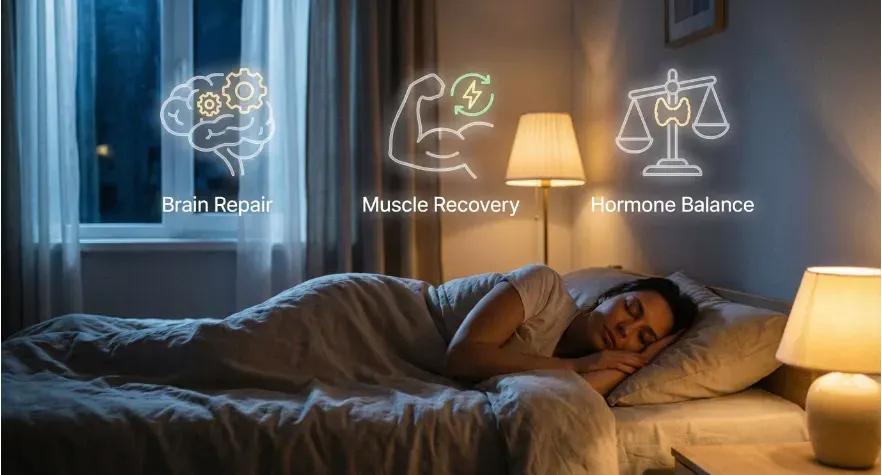
- Sleep is the body’s primary recovery system, supporting brain function, hormone balance, and physical repair.
- Poor sleep quality can affect energy levels, mood stability, and long-term health.
- Recovery depends on both sleep duration and alignment with natural circadian rhythms.
- Improving sleep habits can significantly enhance physical performance, cognitive clarity, and emotional resilience.
What Is Sleep and Why It Matters
Sleep is a biological state in which the brain and body shift into active repair and regulation. Although the body appears inactive, critical processes are taking place beneath the surface.- Brain function and memory
- Hormonal regulation
- Immune defense
- Metabolic health
- Muscle recovery
- Emotional regulation
The Role of Sleep in Physical Recovery
Physical recovery refers to the body’s ability to repair and rebuild after physical exertion, illness, or daily wear and tear. Sleep plays a central role in this process.Tissue Repair and Muscle Recovery
During deep sleep stages, the body releases growth hormone. This hormone supports tissue repair, muscle rebuilding, and cellular regeneration.- Athletes and active individuals
- People recovering from injury
- Individuals managing chronic stress or fatigue
Energy Restoration
Sleep also restores the body’s energy systems. Glycogen stores—used by muscles and the brain for energy—are replenished during sleep.Sleep and Brain Recovery
The brain requires recovery just as much as the body. While you sleep, the brain performs several important tasks that support cognitive performance and emotional stability.Memory Consolidation
Sleep strengthens memories by transferring information from short-term storage to long-term neural networks. This process helps with learning, skill development, and information retention.Neural Detoxification
A recently discovered system known as the glymphatic system becomes more active during sleep. It helps remove metabolic waste products that accumulate in the brain throughout the day.Emotional Regulation
Sleep also helps regulate emotional responses. When sleep is disrupted, the brain’s emotional centers can become more reactive, leading to irritability, anxiety, or mood swings.How Circadian Rhythm Controls Sleep
Sleep is not only about how long you sleep but also when you sleep.
Your body operates on a roughly 24-hour internal clock called the circadian rhythm. This system coordinates sleep, hormone release, metabolism, and body temperature.A deeper explanation of how this biological clock works can be found in Circadian Rhythm Explained: Why Timing Matters for Health.
Sleep Quality vs Sleep Quantity
Many people focus only on how many hours they sleep. While duration matters, sleep quality is equally important.- Light sleep
- Deep sleep
- Rapid eye movement (REM) sleep
Improving sleep habits can often enhance these cycles. Practical strategies are explored in How to Improve Sleep Quality Naturally.
The Connection Between Sleep and Daily Energy
If you frequently feel exhausted during the day, poor sleep may be part of the cause. Sleep affects energy in several ways:- Hormone balance – sleep regulates cortisol, melatonin, and growth hormone
- Metabolism – inadequate sleep can affect blood sugar regulation
- Brain alertness – sleep deprivation reduces attention and reaction time
- Mood stability – chronic sleep loss increases irritability and stress sensitivity
Persistent fatigue can sometimes signal deeper sleep disruptions, lifestyle stressors, or health conditions. Understanding these factors can help explain Why You’re Always Tired (And What to Do About It).
Recovery Is More Than Just Sleep
Although sleep is the most powerful recovery tool, it works alongside other recovery strategies.- Proper nutrition
- Hydration
- Stress management
- Light movement and circulation
- Balanced physical activity
In some cases, gentle movement can even improve recovery between intense workouts. The differences between passive rest and movement-based recovery are explored in Active Recovery vs Rest: What Your Body Really Needs.
Signs You May Not Be Recovering Properly
When recovery is inadequate, the body often sends warning signals.Common signs include:
- Persistent fatigue
- Brain fog
- Frequent illness
- Mood instability
- Slower exercise recovery
- Difficulty concentrating
How to Start Improving Sleep and Recovery
Small changes in daily routines can have meaningful effects on sleep quality and recovery.- Maintaining a consistent sleep schedule
- Reducing evening exposure to bright screens
- Getting natural daylight early in the day
- Creating a dark, quiet sleep environment
- Limiting caffeine late in the day
Supporting Articles in This Pillar
To explore the key components of sleep and recovery in greater depth, see the following guides:- How to Improve Sleep Quality Naturally
- Circadian Rhythm Explained: Why Timing Matters for Health
- Active Recovery vs Rest: What Your Body Really Needs
- Why You’re Always Tired (And What to Do About It)
Together, these topics explain how sleep timing, lifestyle habits, and recovery strategies influence energy, health, and long-term wellbeing.