
Eating for a Healthier Planet: How Shifting to Plant-Based Foods Reduces Environmental Harm
Eating for a Healthier Planet: How Shifting to Plant-Based Foods Reduces Environmental Harm
Why Diet Is a Climate Issue—Not Just a Personal Health One
The way we eat doesn’t just shape our bodies—it shapes the environment. As global food systems accelerate climate change, deplete natural resources, and generate pollution, the impact of our dietary choices has become impossible to ignore. The truth is, our eating habits have created a lose–lose situation, harming both public health and the planet.
The call for a global transformation of our food system isn’t just aspirational—it’s necessary. Leading researchers and institutions are now urging dietary shifts that not only support individual well-being but also reduce environmental strain. The good news? These two goals often go hand in hand.
The Missing Piece in the U.S. Dietary Guidelines
In a bold move, the 2015–2020 U.S. Dietary Guidelines Advisory Committee included a sustainability chapter for the first time, concluding that diets higher in plant-based foods and lower in animal-based foods were both healthier and better for the environment.
Yet when the final guidelines were released, this sustainability language was scrubbed. Despite strong scientific backing and public support, political and industry pressures prevailed. And even beyond environmental concerns, the final guidelines offered weak limits on animal-source foods, falling short of what current health research suggests.
The True Environmental Cost of Animal Products
By nearly every measure—carbon emissions, land use, water consumption—animal-source foods are far more taxing on the planet than plant-based ones. The carbon footprint of many animal-based foods is so high, it’s equivalent to driving more than a mile per serving.
Consider this: switching from beef to beans in the U.S. alone could achieve up to 75% of the 2020 greenhouse gas emissions reduction target and free up land 1.5 times the size of California. Even chicken, often viewed as a “lighter” meat, emits about five times the greenhouse gases of something like tropical fruit.
Plant-Based Powerhouses: Why Beans and Lentils Lead the Pack
Legumes—including beans, chickpeas, lentils, and split peas—are climate superstars. Compared to beef, kidney beans use:
- 18x less land
- 10x less water
- 9x less fuel
- 12x less fertilizer
- 10x fewer pesticides
And that's before you account for the health benefits: fiber, plant protein, antioxidants, and no cholesterol. These foods offer a powerful one-two punch—supporting personal health while dramatically shrinking environmental impact.
Big Wins from Small Changes: Meatless Days and Eco Impact
A total dietary overhaul isn’t required to see benefits. Even modest shifts, like skipping meat on weekdays, can yield enormous savings. Compared to a daily meat diet, meatless weekdays can:
- Cut your carbon footprint by 40%
- Save thousands of gallons of water weekly
- Reduce land use and resource demand
In water-strapped regions like California, replacing animal foods with plants can save up to 10,000 quarts of water per person, per week—the equivalent of 150 extra showers.
Water, Land, and Pollution: Food Footprints You Can Change
Beyond carbon, food production also influences land degradation, freshwater use, and pollution. Animal agriculture is a major driver of nitrogen emissions, deforestation, and biodiversity loss.
In Europe, cutting meat, dairy, and egg consumption in half could reduce greenhouse gas emissions by up to 40%, reduce nitrogen pollution, and cut land use by nearly 20%. These aren't marginal gains—they’re transformational.
What Countries Are Doing—and What Individuals Can Do
Some governments aren’t waiting. China has proposed cutting its citizens' meat consumption by 50%, recognizing both the health and environmental stakes. Meanwhile, countries like the U.S. continue to prop up the meat and dairy industries with billions in subsidies.
Still, individuals have agency. Consumer choice matters, especially when supported by transparent labeling and education. Understanding the ripple effect of your grocery list can reshape not just health outcomes—but global climate trends.
Labeling for Awareness: Bridging the Knowledge Gap
One major barrier to change is simple: most consumers underestimate the environmental toll of food. But what if labels made it clear? Imagine picking up a can of beef noodle soup and seeing that its carbon footprint is like leaving a 100-watt light bulb on for 39 hours.
In contrast, a vegetable soup? Just 5 hours. That’s a 34-hour energy difference per half cup—as significant as choosing to unplug dozens of appliances. Awareness can shift behaviors faster than guilt or shame ever could.
Health and Sustainability Aren’t Always the Same—But Can Align
It’s worth noting: not all environmentally friendly foods are healthy. Added sugars, processed oils, and refined grains may have a lighter carbon footprint than meat—but they don't do your body any favors. The sweet spot lies in whole, minimally processed plant foods that are both health-promoting and low impact.
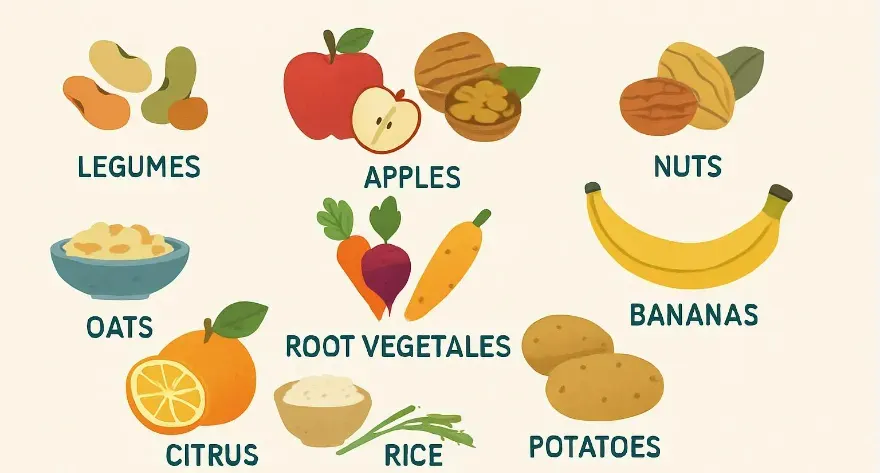
Think fruits, vegetables, whole grains, legumes, nuts, and seeds. These form the backbone of diets that nourish the body and preserve the planet.
Final Thoughts: Why Your Plate Might Be the Most Powerful Climate Tool
Your fork is a climate tool. Every bite you take shapes the environment in small but cumulative ways. While system-wide change is needed—from policy to agriculture—personal choices still matter.
Eating more plant-based foods doesn’t require perfection. It requires intention. Whether you start with Meatless Mondays or swap your next burger for a bean bowl, you're voting for a healthier world—on your plate.
References:
- Stoll-Kleemann S, O'Riordan T. The sustainability challenges of our meat and dairy diets. Environment. 2015;57(3):34-48.
- Harwatt H. Including animal to plant protein shifts in climate change mitigation policy: a proposed three-step strategy. Clim Policy. 2019;19(5):533-41.
- Sranacharoenpong K, Soret S, Harwatt H, Wien M, Sabaté J. The environmental cost of protein food choices. Public Health Nutr. 2015;18(11):2067-73.
- Westhoek H, Lesschen JP, Rood T, Wagner S, De Marco A, Murphy-Bokern D, et al. Food choices, health and environment: effects of cutting Europe's meat and dairy intake. Glob Environ Change. 2014;26(1):196-205.
- Health at a Glance: Europe 2018: State of Health in the EU Cycle. OECD/EU. 2018. OECD Publishing, Paris.
- Tilman D, Clark M. Global diets link environmental sustainability and human health. Nature. 2014;515(7528):518-22.