
The Complete Guide to Nutrition: How Food Fuels Health, Energy, and Longevity
The Complete Guide to Nutrition: How Food Fuels Health, Energy, and Longevity
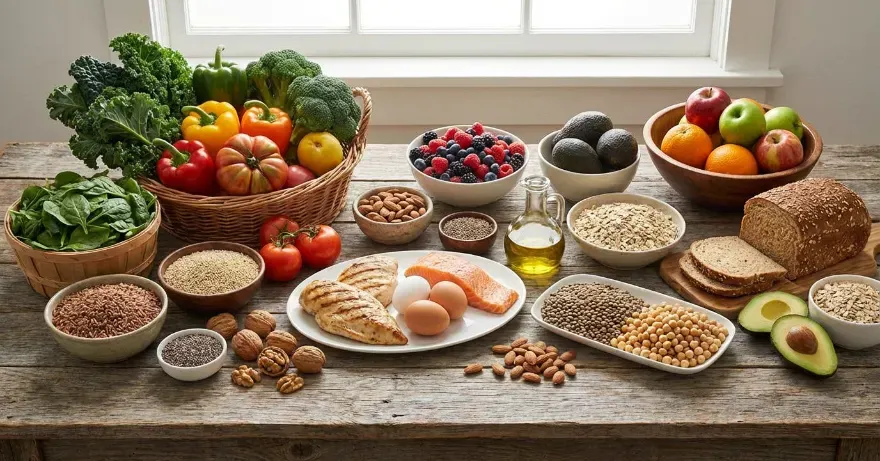
Key takeaways
- Nutrition provides the raw materials your body uses to produce energy, repair tissue, and regulate biological systems.
- Macronutrients supply fuel and structure, while micronutrients enable critical cellular processes.
- Metabolism, hormones, immune health, and aging are all deeply influenced by dietary patterns.
- Consistent, balanced eating patterns matter more than short-term restrictive diets.
What Is Nutrition, Really?
At its core, nutrition is the process by which your body takes in food and uses it for:- Energy production
- Growth and tissue repair
- Hormone synthesis
- Immune defense
- Brain function
- Cellular maintenance
The Six Essential Nutrient Classes
All human diets are built around six essential nutrient categories.1. Carbohydrates
Carbohydrates are the body’s preferred energy source. They break down into glucose, which fuels:- The brain
- Muscles
- Red blood cells
- High-intensity activity
2. Protein
Protein supplies amino acids — the building blocks of:- Muscle tissue
- Enzymes
- Hormones
- Neurotransmitters
- Immune cells
3. Fats
Dietary fats are essential for:- Hormone production
- Cell membrane structure
- Fat-soluble vitamin absorption
- Brain health
- Long-term energy storage
4. Vitamins
Vitamins regulate biochemical reactions throughout the body. They support:- Immune function
- Energy metabolism
- DNA repair
- Vision
- Bone health
5. Minerals
Minerals such as magnesium, potassium, calcium, iron, and zinc are critical for:- Nerve transmission
- Muscle contraction
- Oxygen transport
- Fluid balance
- Structural integrity
6. Water
Water is often overlooked, yet it enables:- Nutrient transport
- Temperature regulation
- Detoxification processes
- Cellular structure
How Food Becomes Energy
When you eat, digestion breaks food down into absorbable components:- Carbohydrates → glucose
- Proteins → amino acids
- Fats → fatty acids
- Micronutrient sufficiency
- Hormonal balance
- Mitochondrial health
- Sleep and recovery
- Physical activity
Nutrition and Metabolism
Metabolism refers to all chemical reactions that sustain life. It includes:- Basal metabolic rate (energy used at rest)
- Thermic effect of food
- Activity-related energy expenditure
- Hormonal regulation
How Nutrition Affects Metabolism and Energy Levels
Nutrition and Hormonal Balance
Hormones regulate appetite, stress, reproduction, metabolism, and body composition. Diet influences:- Insulin sensitivity
- Cortisol regulation
- Thyroid function
- Leptin and ghrelin signaling
- Sex hormone production
How Diet Influences Hormones and Body Composition
Nutrition and Healthy Aging
Longevity is not just about lifespan — it’s about healthspan. Diet affects:- Inflammation levels
- Muscle preservation
- Cognitive resilience
- Cardiovascular risk
- Metabolic flexibility
Nutrition and Aging: How Diet Impacts Healthspan
Why Nutrition Myths Persist
Nutrition is one of the most debated areas in health science. Common issues include:- Oversimplification (“carbs are bad”)
- Fear-based messaging
- Cherry-picked research
- Short-term diet trends
- Confusion between correlation and causation
Common Nutrition Myths That Confuse Healthy Eating
What a Balanced Diet Actually Looks Like
A nutritionally sound dietary pattern typically includes:- Adequate protein for repair and muscle maintenance
- Fiber-rich carbohydrates from whole foods
- Healthy fats from minimally processed sources
- A wide variety of colorful plants
- Sufficient hydration
- Consistent meal structure
Nutrition as a Long-Term Strategy
Short-term diets can change weight. Long-term nutrition habits shape biology. The cumulative effects of:- Stable blood sugar
- Adequate protein
- Micronutrient sufficiency
- Controlled inflammation
- Metabolic resilience
Building a Strong Nutrition Foundation
If you want to simplify nutrition:- Prioritize whole, minimally processed foods.
- Ensure adequate protein at each meal.
- Include vegetables and fiber daily.
- Avoid chronic under-eating.
- Support hydration and sleep.