
How to Improve Nutrient Absorption Naturally
How to Improve Nutrient Absorption Naturally
Key takeaways
- Nutrient absorption depends on digestive health, stomach acid, and gut integrity.
- Pairing certain nutrients together can significantly enhance bioavailability.
- Food preparation methods like soaking, fermenting, and cooking improve mineral absorption.
- Chronic stress, medications, and gut disorders can impair nutrient uptake.
- Supporting gut function naturally improves long-term micronutrient status.
If you need a broader understanding of how micronutrients function in the body, start here: Micronutrients That Matter: Vitamins and Minerals for Optimal Health
What Is Nutrient Absorption?
Nutrient absorption occurs primarily in the small intestine after food has been broken down mechanically and chemically. For vitamins and minerals to enter the bloodstream, several steps must occur efficiently:- Proper chewing
- Adequate stomach acid production
- Pancreatic enzyme release
- Healthy intestinal lining
- Effective transport mechanisms
Support Stomach Acid and Digestive Enzymes
Stomach acid (hydrochloric acid) is critical for:- Breaking down proteins
- Releasing minerals from food
- Activating digestive enzymes
- Facilitating vitamin B12 absorption
Natural Strategies
- Eat slowly and chew thoroughly
- Avoid overeating
- Limit excessive fluid intake during meals
- Include bitter foods (arugula, dandelion greens) before meals
- Manage chronic stress
Optimize Nutrient Pairings
Certain nutrients enhance each other’s absorption.Vitamin C + Iron
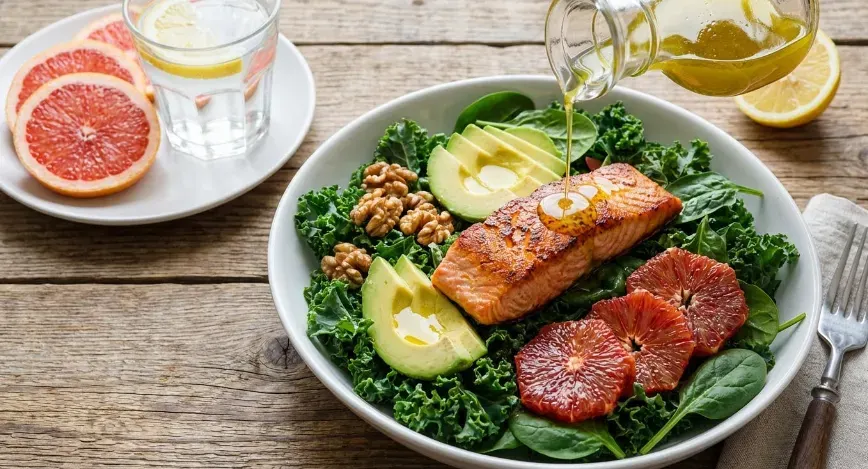
Vitamin C significantly increases absorption of non-heme (plant-based) iron.- Example: Add citrus to leafy greens or beans.
Fat + Fat-Soluble Vitamins
Vitamins A, D, E, and K require dietary fat for absorption.- Example: Add olive oil to salads containing leafy greens.
Magnesium + Vitamin D
Magnesium supports vitamin D metabolism and activation.- Strategic pairing increases the functional benefit of the same foods.
Reduce Anti-Nutrients Through Food Preparation
Some plant compounds can inhibit mineral absorption, particularly:- Phytates (in grains and legumes)
- Oxalates (in certain leafy greens)
- Tannins (in tea and coffee)
Preparation Techniques That Help
- Soaking beans and legumes
- Sprouting grains
- Fermenting foods
- Cooking leafy greens
Maintain Gut Health
The intestinal lining is where absorption occurs. Conditions that damage or inflame the gut may reduce nutrient uptake.- Adequate dietary fiber
- Fermented foods (yogurt, kefir, sauerkraut)
- Diverse plant intake
- Managing food sensitivities
- Limiting ultra-processed foods
Manage Stress and Sleep
Chronic stress diverts energy away from digestion and can reduce stomach acid and enzyme production.- Eating in a calm environment
- Avoiding rushed meals
- Prioritizing sleep
- Engaging in stress-reduction practices
Be Mindful of Medications
Certain medications can interfere with nutrient absorption, including:- Proton pump inhibitors (reduce stomach acid)
- Metformin (affects B12 levels)
- Certain antibiotics
- Laxatives (with long-term use)
When Supplementation May Help
Food-first approaches are preferred. However, supplementation may be beneficial if:- Lab-confirmed deficiency exists
- Digestive disorders impair absorption
- Increased physiological demand is present
- Iron bisglycinate may be better tolerated than ferrous sulfate
- Magnesium glycinate may be gentler on digestion than magnesium oxide
Signs Absorption May Be Impaired
Even with adequate intake, symptoms of poor absorption may include:- Persistent fatigue
- Unexplained nutrient deficiencies
- Bloating or chronic digestive discomfort
- Brittle hair and nails
- Brain fog