
How to Stay Consistent With Exercise Long-Term
How to Stay Consistent With Exercise Long-Term
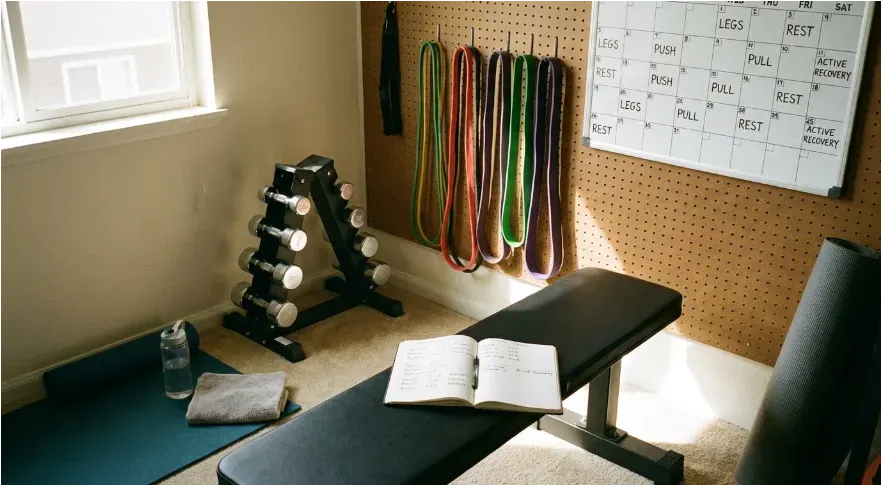
Key takeaways
- Consistency depends more on systems and scheduling than motivation.
- Start with realistic training frequency you can sustain.
- Reduce friction by making workouts convenient and structured.
- Track progress to reinforce long-term adherence.
Sustainable fitness is less about motivation and more about systems. As outlined in Home Workouts That Work: Build Strength and Fitness Without a Gym, results come from progressive overload and structured programming — but those only matter if you keep showing up.
Why Consistency Is So Difficult
Exercise competes with:- Work responsibilities
- Family obligations
- Social commitments
- Fatigue and stress
- Digital distractions
Shift From Motivation to Structure
Motivation is emotional and temporary. Structure is environmental and repeatable. Instead of asking:“Do I feel like working out today?”Ask:
“Is today a scheduled training day?”
If the answer is yes, you train — regardless of mood.
Start With Sustainable Frequency
One of the most common mistakes is overcommitting.- 3 workouts per week — commit to 3.
- 20 minutes per session — design around that.
Reduce Friction in Your Environment
Make exercise easier to start:- Keep equipment visible
- Lay out workout clothes the night before
- Schedule workouts in your calendar
- Train at the same time daily
- Keep sessions simple
Focus on Identity, Not Outcomes
Outcome goals:- Lose 20 pounds
- Gain muscle
- Improve fitness
- “I am someone who trains consistently.”
- “I prioritize my health.”
- “I keep commitments to myself.”
Track Progress — Even Small Wins
Tracking reinforces behavior. Track:- Completed workouts
- Reps and sets
- Plank duration
- Weights used
- Weekly consistency
Plan for Disruptions
Consistency does not mean perfection.
Instead of quitting after missed sessions:- Resume at the next scheduled workout
- Reduce intensity during stressful weeks
- Maintain a “minimum viable workout” option (10–15 minutes)
Avoid the All-or-Nothing Trap
Missing one workout does not erase progress.
What matters is:
- Weekly consistency
- Monthly consistency
- Yearly consistency
Never miss twice.
If you skip one session, prioritize the next one.
Make Workouts Enjoyable (Or At Least Satisfying)
You do not need to love every workout — but you should not dread them constantly. Increase enjoyment by:- Choosing exercises you prefer
- Listening to music or podcasts
- Training with a partner
- Varying session formats occasionally
Build Routines, Not Streaks
- Streaks create pressure.
- Routines create stability.
- Your goal is not 100 perfect days. It is a sustainable weekly pattern repeated over years.
The Long-Term Perspective
Results compound slowly.Final Thoughts
- Exercise consistency is a behavioral skill — not a personality trait.
- Design your environment. Schedule realistically. Reduce friction. Track progress. Resume quickly after disruptions.
- Long-term fitness success is built one repeatable week at a time.