
Hormonal Imbalances and Their Impact on Health
Hormonal Imbalances and Their Impact on Health
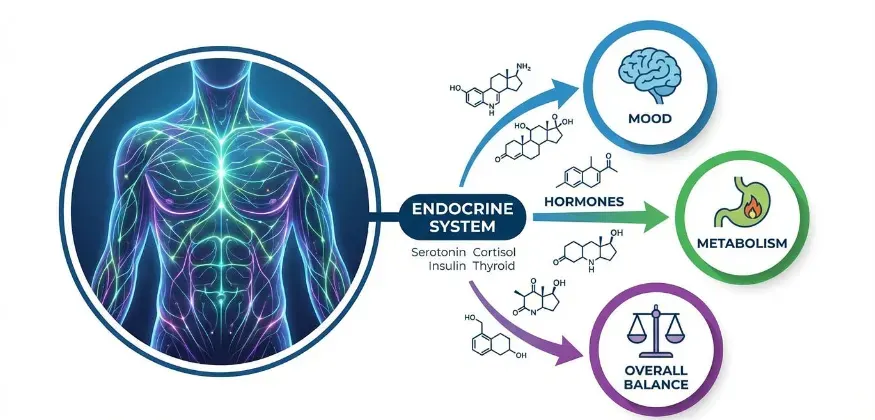
Key takeaways
- Hormones regulate many body systems including metabolism, mood, reproduction, and stress response.
- Hormonal imbalances occur when hormone levels become too high or too low, disrupting normal physiological regulation.
- Common symptoms may include fatigue, mood changes, weight fluctuations, sleep disturbances, and metabolic changes.
- Hormonal imbalances can result from endocrine disorders, chronic stress, aging, medications, or lifestyle factors.
- Diagnosis and treatment often involve medical evaluation, lifestyle adjustments, and management of underlying endocrine conditions.
Hormones are chemical messengers that regulate many essential processes in the body, including metabolism, mood, growth, reproduction, and stress response. These signals are produced by glands within the endocrine system, which release hormones into the bloodstream to communicate with organs and tissues throughout the body.
When hormone levels become too high or too low, the body’s regulatory systems can become disrupted. These disturbances are known as hormonal imbalances, and they may influence physical health, emotional well-being, energy levels, and cognitive function.
For a broader overview of how neurological and hormonal systems work together to regulate mood, cognition, and physiological balance, see Neurological and Hormonal Conditions: Brain, Mood, and Balance.
What Are Hormonal Imbalances?
Hormonal imbalances occur when the endocrine system produces either excessive or insufficient amounts of certain hormones, disrupting normal physiological processes.
- metabolism and energy production
- mood and emotional regulation
- growth and development
- reproductive health
- blood sugar control
- sleep and circadian rhythms
The Endocrine System and Hormone Regulation
The endocrine system is composed of several glands that release hormones into the bloodstream. These glands work together in coordinated feedback loops to maintain hormonal balance.- hypothalamus – links the nervous system and endocrine system
- pituitary gland – often called the “master gland” because it regulates other endocrine glands
- thyroid gland – controls metabolism and energy use
- adrenal glands – produce stress hormones such as cortisol and adrenaline
- pancreas – regulates blood sugar through insulin and glucagon
- ovaries and testes – produce reproductive hormones
Communication between these glands occurs through complex signaling pathways, including the hypothalamic–pituitary axes that regulate multiple hormone systems.
Common Hormones Involved in Imbalances
Different hormonal imbalances can affect different areas of health depending on which hormone system is disrupted.Thyroid Hormones
The thyroid gland produces hormones that regulate metabolism, energy use, and body temperature.- fatigue
- weight changes
- sensitivity to cold or heat
- changes in heart rate
- cognitive or mood changes
Cortisol and Stress Hormones
Cortisol is a hormone released by the adrenal glands that helps regulate the body’s response to stress.- fatigue or burnout
- sleep disturbances
- mood instability
- difficulty concentrating
- metabolic changes
Insulin and Blood Sugar Regulation
Insulin controls blood glucose levels by helping cells absorb sugar from the bloodstream.- blood sugar instability
- increased hunger or cravings
- fatigue after meals
- long-term metabolic disorders
Reproductive Hormones
Hormones such as estrogen, progesterone, and testosterone influence reproductive health, mood, bone density, and metabolism.
- puberty
- pregnancy
- postpartum periods
- menopause or andropause
Symptoms of Hormonal Imbalances
Because hormones affect many organs and body systems, symptoms of hormonal imbalance can vary widely.- persistent fatigue
- mood swings or irritability
- sleep problems
- unexplained weight changes
- changes in appetite
- headaches
- reduced concentration or “brain fog”
Causes of Hormonal Imbalances
Hormonal disruptions can arise from multiple biological and environmental factors.Endocrine Disorders
Medical conditions affecting hormone-producing glands may lead to imbalances.Examples include:
- thyroid disorders
- adrenal disorders
- polycystic ovary syndrome (PCOS)
- diabetes and metabolic disorders
Chronic Stress
Long-term stress activates the body’s stress response system, which can alter cortisol regulation and disrupt other hormone pathways.Aging and Life Transitions
Hormone levels naturally change across the lifespan.Examples include:
- menopause and declining estrogen levels
- reduced testosterone production with aging
- hormonal changes during pregnancy and postpartum periods
Medications and Medical Treatments
Certain medications can affect hormone levels or endocrine function.- corticosteroids
- hormone therapies
- medications affecting metabolism or thyroid function
How Hormonal Imbalances Affect Overall Health
Hormonal imbalances can influence multiple aspects of health because hormones regulate many interconnected systems.Mental and Emotional Health
Hormones interact with neurotransmitters in the brain that regulate mood and emotional responses.- anxiety symptoms
- depressive mood changes
- irritability
- reduced stress tolerance
Metabolic and Physical Health
Hormones also control metabolic processes such as energy use and nutrient storage.- body weight regulation
- blood sugar control
- cholesterol levels
- cardiovascular health
Cognitive Function
Hormonal changes may influence brain function and cognition.Some individuals may experience:
- difficulty concentrating
- memory lapses
- reduced mental clarity
Diagnosis and Medical Evaluation
Diagnosing hormonal imbalances typically requires evaluation by a healthcare professional.- medical history review
- physical examination
- blood tests measuring hormone levels
- imaging or specialized endocrine testing when needed
Treatment and Management Strategies
Treatment for hormonal imbalances depends on the underlying cause and severity of symptoms.Medical Treatments
Healthcare providers may recommend treatments designed to restore hormonal balance or manage symptoms.- hormone replacement therapy
- medications that regulate hormone production
- treatments for underlying endocrine disorders
Lifestyle and Health Strategies
Lifestyle adjustments can support endocrine health and help maintain hormonal balance.- managing chronic stress
- maintaining regular sleep patterns
- engaging in regular physical activity
- consuming balanced nutrition
- maintaining a healthy body weight
Supporting Long-Term Hormonal Health
Maintaining hormonal balance requires coordinated function between the endocrine system, nervous system, metabolism, and lifestyle factors.References
- Endocrine Society. Hormones and the Endocrine System
- National Institute of Diabetes and Digestive and Kidney Diseases (NIDDK). Endocrine Diseases Overview
- National Institute of Mental Health (NIMH). Hormones and Mental Health.
- Mayo Clinic. Hormone Imbalance: Symptoms and Causes
- Harvard Medical School. Understanding Hormones and Their Role in Health