
Food Quality, Eating Patterns & Nutritional Habits That Actually Matter
Food Quality, Eating Patterns & Nutritional Habits That Actually Matter

Key takeaways
- Food quality and eating patterns matter more than isolated nutrients.
- Ultra-processed foods are strongly linked to chronic disease risk.
- Whole foods support metabolic, heart, and gut health.
- Behavioral habits determine long-term nutrition success.
- Evidence supports flexible, pattern-based eating over dietary dogma.
Nutrition conversations often get stuck in details—grams of protein, carbohydrate ratios, supplement stacks—while missing the larger forces that shape health over time. In real life, long-term outcomes are driven less by single nutrients and more by patterns: the kinds of foods eaten regularly, how meals are structured, and the habits that repeat day after day.
Food Quality vs. Nutrient Isolation
Food quality refers to the overall composition, structure, and processing of what we eat—not just its nutrient label. Whole foods deliver nutrients packaged with fiber, water, phytochemicals, and intact food structures that influence digestion, absorption, and satiety. These features can’t be replicated by isolated nutrients alone.This distinction explains why diets built around whole foods tend to outperform highly engineered diets, even when calories or macros are matched. Biology responds to food context, not spreadsheets.
Why Reductionist Nutrition Falls Short
Reductionist nutrition treats the body like a calculator: input nutrients, output results. Human physiology doesn’t work that cleanly. Hormones, gut microbes, circadian rhythms, and nervous system signals all modify how food is processed and used.Processed Foods and Chronic Disease Risk
Ultra-processed foods are industrial formulations designed for convenience, shelf stability, and hyper-palatability. They often contain refined starches, added sugars, industrial fats, emulsifiers, and flavor enhancers, while lacking fiber and micronutrients.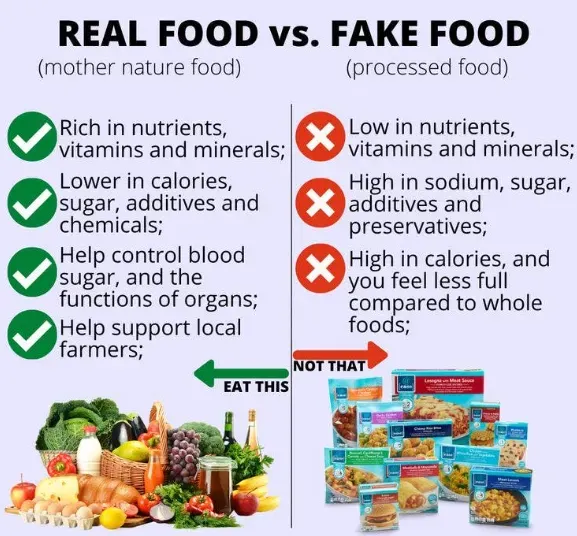
Processing Exists on a Spectrum
Not all processing is harmful. Cooking, freezing, fermenting, and minimal packaging often improve safety, digestibility, and nutrient availability. The issue lies with degree and purpose of processing, not processing itself.
A helpful lens is asking: Would this food still resemble something recognizable if its packaging were removed? Foods closer to their original form tend to behave better metabolically and nutritionally over time.
Whole Foods and Metabolic Health
Whole foods—vegetables, fruits, legumes, whole grains, nuts, seeds, eggs, fish, and minimally processed meats—support metabolic health by slowing digestion and stabilizing blood sugar. Fiber plays a central role, buffering glucose absorption and supporting insulin sensitivity.Heart Health and Food Patterns
Heart-healthy eating patterns consistently emphasize plant diversity, fiber, unsaturated fats, and limited intake of refined sugars and trans fats. These patterns improve lipid profiles, vascular function, and inflammatory markers over time.Importantly, benefits emerge from patterns, not single “superfoods.” Olive oil, nuts, vegetables, fish, and whole grains show the strongest effects when consumed as part of an overall quality diet, not as isolated additions to otherwise poor eating habits .
Gut Health and Dietary Diversity
The gut microbiome thrives on diversity. Different fibers and plant compounds feed different microbial species, supporting resilience and metabolic signaling. Diets low in fiber and variety reduce microbial diversity, which has been linked to metabolic and inflammatory disorders.Behavioral Habits That Support Nutrition Success
Nutrition succeeds or fails at the behavioral level. Consistency matters more than perfection, and habits shape consistency. Regular meal timing, planning, and food availability strongly influence dietary quality without requiring constant decision-making.- Eating mostly at meals rather than grazing all day
- Prioritizing protein and fiber early in the day
- Keeping nutrient-dense foods visible and accessible
- Minimizing decision fatigue through routine
Eating Behaviors Matter as Much as Food Choice
How food is eaten influences digestion and satiety. Eating quickly, distracted, or under stress blunts fullness cues and increases intake. Slower, attentive eating improves hormonal signaling and satisfaction.Beliefs vs. Evidence in Nutrition
Nutrition beliefs often harden into identities. Vegan, keto, carnivore, low-fat, Mediterranean—each has advocates and critics. Evidence shows that multiple patterns can support health when food quality, nutrient sufficiency, and sustainability are present.
Separating Myths from Data
For example, plant-based diets are associated with lower chronic disease risk—but benefits depend on whole food intake, not ultra-processed plant products. Similarly, omnivorous diets can support excellent health when centered on minimally processed foods and plant diversity.Why Patterns Outperform Precision
Nutrition that lasts is built on repeatable behaviors, not constant optimization. People thrive when eating patterns are enjoyable, socially compatible, and metabolically supportive.Related Nutrition And Diet Topics
- Why processed foods are fueling the obesity epidemic
- 10 surprising diet traps and how to avoid them
- Are vegan foods always healthy?
- Why a plant-based diet is a good detox option
- How marketing and food ads shape choices
- How to break bad eating habits
- Top healthy snacks to quit sugar forever