
Finding Balance: Health, Work, Stress, and Recovery
Finding Balance: Health, Work, Stress, and Recovery
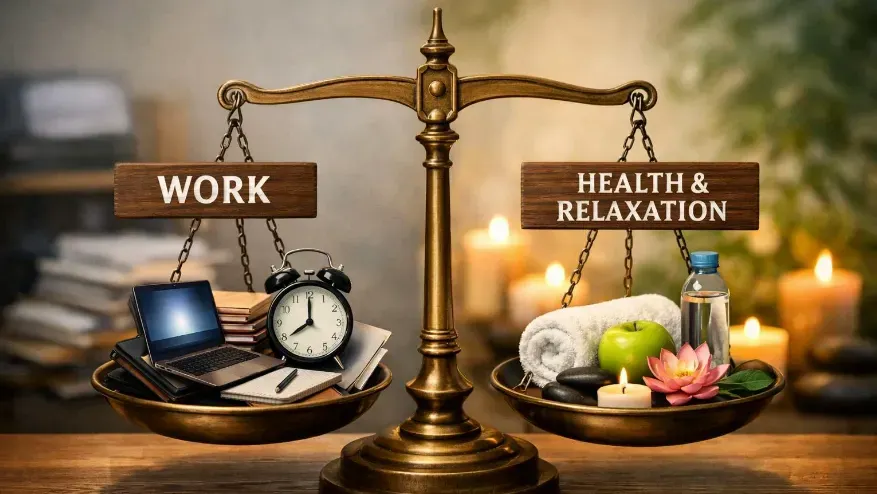
Key takeaways
- Healthy balance requires managing work demands while protecting time for rest, recovery, and personal wellbeing.
- Chronic stress without adequate recovery can negatively affect both physical and mental health.
- Regular breaks, sleep, and leisure activities support resilience and long-term productivity.
- Creating boundaries between work and personal life helps reduce burnout and maintain energy.
- Sustainable wellness depends on balancing effort with recovery.
True lifestyle wellness is not just about productivity or constant activity—it also requires intentional recovery, stress management, and time for personal wellbeing. Creating balance between effort and recovery allows the body and mind to function sustainably over the long term.
As explained in Lifestyle & Wellness Explained: How Daily Habits Shape Long-Term Health, long-term health is shaped by the patterns we maintain in daily life. Balance helps ensure those patterns remain supportive rather than overwhelming.
What Does “Balance” Mean for Health?
Balance in a wellness context refers to maintaining a healthy relationship between effort, stress, and recovery. Life inevitably includes responsibilities and pressures, but problems arise when stress consistently outweighs rest.
- Productive work and responsibilities
- Physical health and movement
- Mental and emotional recovery
- Social connection
- Personal time and enjoyment
The Hidden Cost of Chronic Stress
Short-term stress is a normal biological response that helps people adapt to challenges. However, when stress becomes constant, the body’s stress systems remain activated for long periods.- Sleep quality
- Mood and emotional regulation
- Energy levels
- Immune function
- Cardiovascular health
Why Recovery Is Essential
Recovery is the process that allows the body and mind to restore energy after effort. Without sufficient recovery, stress accumulates faster than the body can adapt. Healthy recovery includes several components.Sleep
Sleep is one of the most important forms of recovery. During sleep, the body performs critical processes such as tissue repair, hormone regulation, and memory consolidation.Mental Breaks
Short breaks during the day can help prevent mental fatigue. Even brief pauses—such as stepping away from screens, stretching, or taking a short walk—can help reset focus.Physical Recovery
Physical activity is beneficial, but the body also needs time to recover from exertion. Alternating periods of activity with rest allows muscles and joints to repair and strengthen.Emotional Recovery
Spending time with supportive friends or family, engaging in hobbies, or practicing relaxation techniques can help restore emotional balance.Work, Productivity, and Burnout
Many people associate productivity with constant activity, but sustained productivity requires periodic recovery. Without adequate rest, performance often declines.
- Excessive workload
- Limited recovery time
- Persistent stress
- Exhaustion
- Reduced motivation
- Difficulty concentrating
- Emotional detachment from work
Strategies for Creating Healthier Balance
Achieving balance does not require eliminating responsibilities. Instead, it involves structuring daily routines in ways that protect both productivity and wellbeing.Set Clear Boundaries
Separating work time from personal time helps prevent work from expanding into every part of the day.Examples include:
- Establishing consistent work hours
- Limiting work-related notifications outside those hours
- Creating designated workspaces
Schedule Recovery Time
Recovery should be treated as a necessary part of daily life rather than an optional luxury.Examples include:
- Short breaks during the workday
- Regular physical activity
- Relaxation or mindfulness practices
- Leisure activities that support enjoyment and creativity
Prioritize Sleep
Sleep often becomes the first sacrifice during busy periods, yet it is one of the most important factors in maintaining energy and focus.Reevaluate Commitments
Sometimes imbalance occurs because people take on more responsibilities than their schedules realistically allow. Periodically reviewing commitments can help create a more sustainable pace.The Connection Between Balance and Long-Term Health
A balanced lifestyle supports both immediate wellbeing and long-term health outcomes. When individuals regularly alternate effort with recovery, they create conditions that allow the body and mind to function effectively.- Improved energy levels
- Better stress resilience
- Greater mental clarity
- Reduced risk of burnout
- Enhanced quality of life
Balance does not mean eliminating challenges or responsibilities. Instead, it involves creating rhythms of effort and recovery that support sustainable living.
Building a Sustainable Lifestyle Rhythm
Rather than striving for perfect balance every day, it can be more helpful to think of wellness as a rhythm. Some days require greater effort, while others provide opportunities for rest and restoration.