
Cognitive Decline and Brain Health Over Time
Cognitive Decline and Brain Health Over Time
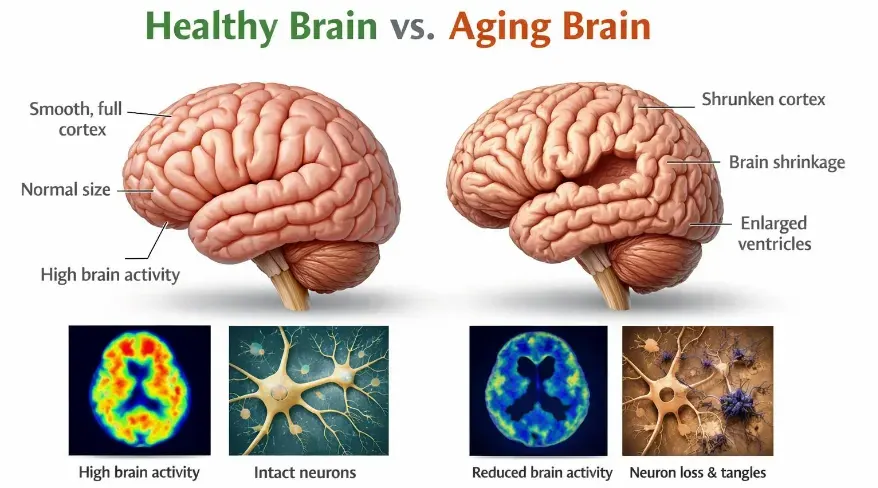
Key takeaways
- Cognitive decline refers to gradual changes in memory, attention, and thinking ability that may occur with aging or neurological conditions.
- Brain health depends on factors such as blood flow, neural connectivity, hormonal balance, and metabolic health.
- Normal aging can produce mild cognitive changes, but significant decline may indicate neurological disease.
- Lifestyle factors including physical activity, sleep, nutrition, and social engagement strongly influence long-term brain health.
- Early recognition of cognitive changes and proactive health strategies can help support healthy aging and cognitive resilience.
Cognitive decline refers to gradual changes in memory, attention, processing speed, or problem-solving ability. While mild cognitive changes can occur as part of normal aging, more significant declines may signal underlying neurological or medical conditions.
For a broader overview of how neurological and hormonal systems interact in mental and cognitive health, see Neurological and Hormonal Conditions: Brain, Mood, and Balance.
What Is Cognitive Decline?
Cognitive decline refers to a reduction in mental abilities that can affect memory, attention, language, or reasoning. These changes may occur gradually over time and vary in severity between individuals.
- slower information processing
- occasional forgetfulness
- difficulty multitasking
Normal Cognitive Aging vs. Impairment
It is important to distinguish between normal age-related changes and cognitive impairment.
Normal Age-Related Changes
Healthy aging may involve subtle shifts in brain function.Examples include:
- taking longer to recall names or words
- slower reaction time
- needing more time to learn new information
Mild Cognitive Impairment (MCI)
Mild cognitive impairment involves noticeable cognitive changes that are greater than expected for age but do not significantly disrupt daily independence.- memory problems beyond normal aging
- difficulty concentrating
- challenges with complex tasks
Dementia
Dementia refers to a group of conditions characterized by significant cognitive decline that interferes with daily functioning. These conditions involve damage to brain cells and neural networks.- memory loss affecting daily life
- difficulty with language or communication
- impaired reasoning and judgment
- changes in personality or behavior
Biological Factors Affecting Brain Health
Brain health depends on the proper functioning of several biological systems.Neural Connectivity and Brain Plasticity
The brain contains billions of neurons that communicate through electrical and chemical signals. Healthy cognition depends on strong connections between these neurons.Neuroplasticity, the brain’s ability to reorganize and form new neural connections, helps maintain cognitive function throughout life. Activities that stimulate learning and mental engagement can support this process.
Blood Flow and Cardiovascular Health
The brain requires a continuous supply of oxygen and nutrients delivered through blood circulation. Cardiovascular health strongly influences brain function.Hormonal Influences
Hormones influence brain function in several ways, including regulating metabolism, stress response, and neural signaling.- cortisol (stress hormone)
- thyroid hormones
- reproductive hormones such as estrogen and testosterone
Inflammation and Metabolic Health
Chronic inflammation and metabolic disorders can affect brain health by influencing blood vessels, neural signaling, and cellular repair processes.- diabetes and metabolic syndrome
- chronic inflammatory conditions
- obesity
Lifestyle Factors That Influence Cognitive Health
Lifestyle habits play a major role in maintaining brain function throughout life.Physical Activity
Regular physical activity supports brain health by improving blood flow, promoting neuroplasticity, and reducing inflammation.- improved memory
- better mood regulation
- reduced risk of cognitive decline
Sleep and Brain Recovery
Sleep plays a vital role in memory consolidation and brain recovery. During sleep, the brain processes information and clears metabolic waste products.Nutrition and Brain Function
Nutrition provides essential nutrients needed for neural function and cellular repair.Nutrients associated with brain health include:
- omega-3 fatty acids
- antioxidants
- B vitamins
- minerals such as magnesium and zinc
Mental Stimulation
Cognitive engagement helps maintain neural connections and supports brain plasticity.- reading or learning new skills
- puzzles or problem-solving tasks
- educational activities
- creative hobbies
Social Engagement
Social interaction contributes to emotional well-being and cognitive health.Recognizing Early Cognitive Changes
Monitoring cognitive health over time can help identify early changes that may benefit from medical evaluation.- increasing memory lapses
- difficulty following conversations
- trouble managing complex tasks
- confusion with time or location
- changes in problem-solving ability
Supporting Brain Health Across the Lifespan
Protecting brain health requires a long-term approach that integrates medical care, lifestyle choices, and mental engagement.- maintaining cardiovascular health
- managing chronic medical conditions
- staying physically active
- prioritizing quality sleep
- maintaining social connections
- engaging in lifelong learning